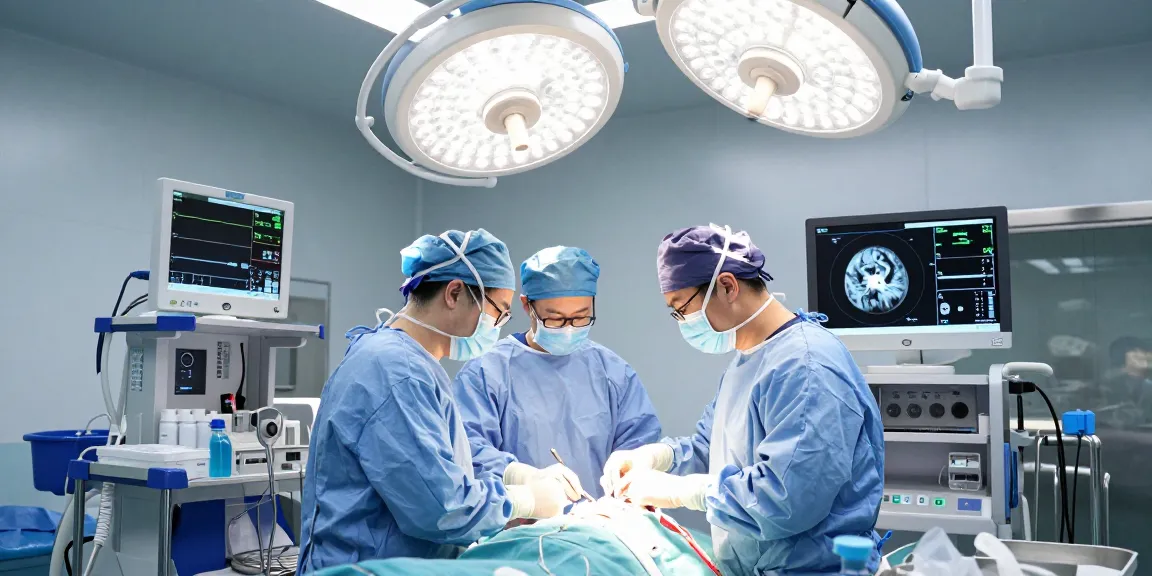
Understanding Beyin Ameliyatı
Beyin ameliyatı, various neurological disorders, including brain tumors, hemorrhages, and other critical conditions, necessitate surgical intervention to enhance the quality of life and survival rates for patients. With advancements in medical technology, Beyin ameliyatı has evolved to become significantly safer and more effective, employing techniques that minimize risks and promote quicker recovery. This comprehensive guide aims to demystify brain surgery, covering essential aspects from preparation to recovery, while addressing common concerns and procedural details.
What is Beyin Ameliyatı?
Beyin ameliyatı refers to surgical procedures performed on the brain to treat various medical conditions. These can include the removal of tumors, evacuation of hematomas, treatment of vascular malformations, and management of brain injuries. The objective is often to relieve pressure, remove pathological tissues, or repair damaged structures. The complexity of these procedures demands a highly skilled surgical team and advanced technology to ensure optimal outcomes.
Common Conditions Treated with Brain Surgery
- Brain Tumors: This includes both benign and malignant growths, where the primary aim is to excise the tumor while preserving vital brain functions.
- Hemorrhages: Conditions such as subdural hematomas and epidural hematomas require urgent surgical intervention to relieve intracranial pressure.
- Aneurysms: Surgical techniques are employed to secure or remove aneurysms that pose a risk of rupture.
- Epilepsy: Certain surgical options may alleviate severe, refractory seizures.
The Importance of Timing in Surgery
Timely intervention is crucial in neurosurgical cases. Delays can lead to worsening neurological deficits or even death. Therefore, understanding when to pursue surgical options can significantly impact a patient's prognosis and quality of life.
Types of Beyin Ameliyatı
Open vs. Minimally Invasive Techniques
Beyin ameliyatı can be classified into two primary categories: open and minimally invasive surgery. Open surgery involves the removal of a section of the skull to access the brain, while minimally invasive techniques utilize smaller incisions and advanced imaging technology, such as endoscopes, to treat conditions with less trauma to the surrounding tissues.
Specific Procedures: Awake Kraniotomy and Others
Awake kraniotomy is a groundbreaking procedure where the patient is awake during the operation. This technique allows surgeons to monitor and protect critical brain functions as they excise tumors located in vital areas related to speech, movement, and sensory perception. Other specialized procedures include endovascular therapies for aneurysms and gamma knife radiosurgery for precise tumor targeting without traditional surgery.
Technological Advancements in Neurosurgery
Advancements in neurosurgery continue to revolutionize how brain conditions are treated. Innovations like intraoperative MRI, 3D imaging, and neuro-navigation systems enhance surgical accuracy, minimize brain damage, and improve patient outcomes. Such technologies allow for real-time visualization and navigation through the complex brain structures during surgery.
Preparation for Beyin Ameliyatı
Pre-Operative Assessments and Tests
Before embarking on beyin ameliyatı, patients undergo rigorous pre-operative assessments. These generally include imaging studies (CT scans or MRIs), blood tests, and neurological evaluations to gauge the patient’s overall health and specific risks associated with the planned procedure.
Understanding Anesthesia Options
Anesthesia is a critical component of surgical preparation, with options ranging from general anesthesia to localized. The choice depends on the type of surgery and the patient's medical background. Discussing these options thoroughly with the surgical team is essential for ensuring the patient's safety and comfort during the procedure.
Discussing Risks and Benefits with Your Surgeon
Open communication with the surgical team about the potential risks and benefits of beyin ameliyatı is vital. Understanding these factors helps patients make informed decisions and prepares them mentally and emotionally for the procedure.
Recovery Process after Beyin Ameliyatı
What to Expect Post-Surgery
The recovery process varies based on the complexity of the surgery and the patient’s overall health. Post-operative care in a specialized unit is often necessary for monitoring neurological status and managing pain. Patients may experience side effects such as headaches, fatigue, and mood changes as their bodies heal.
Rehabilitation and Support Services
Rehabilitation plays a crucial role in recovery after brain surgery. Physical therapy, occupational therapy, and neurological rehabilitation can help patients regain lost functions and improve their overall quality of life. Family support and psychological counseling are also important aspects of a comprehensive recovery plan.
Managing Pain and Complications
Post-operative pain management is a critical component of recovery. Medications may be prescribed to alleviate discomfort, and patients should be educated on recognizing signs of complications such as infection, unusual bleeding, or severe headaches that warrant immediate medical attention.
Costs and Insurance Considerations for Beyin Ameliyatı
Understanding the Financial Aspects of Surgery
The costs associated with beyin ameliyatı can vary widely based on geographic location, facility type, and complexity of the procedure. Patients should inquire about estimated costs beforehand and explore various payment options to manage financial responsibilities effectively.
Insurance Coverage for Neurosurgical Procedures
Insurance coverage can significantly reduce the financial burden of surgical procedures. Patients are advised to consult with their insurance providers to understand their coverage for specific procedures, including any pre-authorization requirements that may apply.
Planning for Out-of-Pocket Expenses
In addition to surgical costs, patients should also prepare for ancillary expenses, including follow-up visits, medications, and rehabilitation costs. Careful budgeting and financial planning can help alleviate stress during the recovery phase.
What are the risks associated with Beyin Ameliyatı?
As with any surgical procedure, beyin ameliyatı carries certain risks, including infection, bleeding, and complications from anesthesia. Specific to brain surgeries, there may be risks of neurological deficits or seizures. Patients must weigh these risks when considering surgery.
How long does recovery take after Beyin Ameliyatı?
Recovery times vary based on the surgical procedure and individual patient factors. While many patients may start feeling better within weeks, full recovery can take several months to a year, depending on the extent of the surgery and rehabilitation efforts.
What is the success rate of Beyin Ameliyatı procedures?
The success rate of beyin ameliyatı procedures can vary significantly depending on the condition being treated, the type of surgery, and the patient's overall health. Generally, advancements in surgical techniques have led to improved outcomes and reduced complications.
Are there alternative treatments to Beyin Ameliyatı?
Several conditions that traditionally required surgery may now be managed with alternative treatments, including medication, radiation therapy, or minimally invasive techniques like stereotactic radiosurgery. Consultation with a specialist is essential to determine the best course of action.
What advancements can we expect in Beyin Ameliyatı by 2026?
Looking ahead to 2026, ongoing research and technological advancements promise even more revolutionary changes in neurosurgery. For more information, Beyin ameliyatı offers valuable insights. Innovations in robotics, artificial intelligence, and telemedicine could improve surgical precision, enhance recovery processes, and expand access to specialist care.